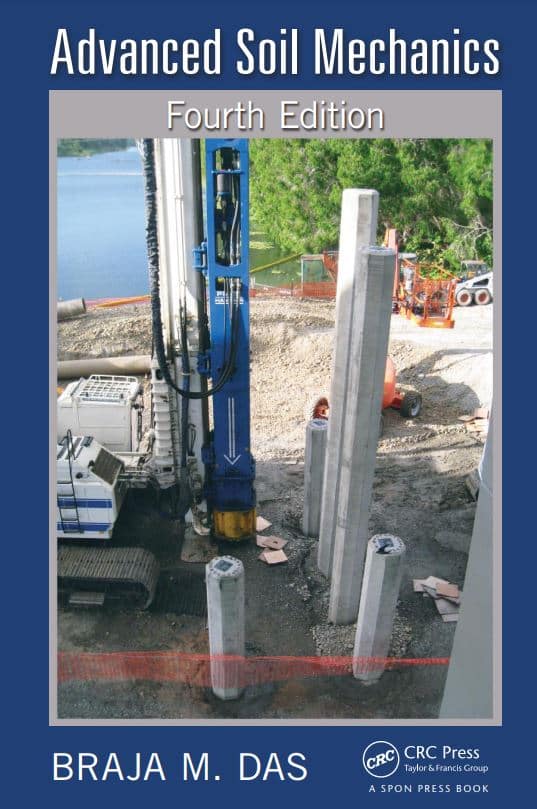
Advanced Construction Technology 4th Edition in Modern Engineering: Principles, Methods, and Applications
🚧 Introduction
Construction engineering has evolved dramatically over the past few decades. Modern infrastructure projects require higher efficiency, sustainability, precision, and safety standards than ever before. As urban populations expand and infrastructure demand increases across North America, Europe, and other developed regions, engineers must adopt advanced construction technologies to meet these challenges.
Advanced construction technology refers to the integration of innovative materials, digital systems, automation, and modern project management techniques that significantly improve the design, planning, and execution of construction projects. These technologies transform traditional building methods into data-driven, highly optimized engineering processes.
Historically, construction relied heavily on manual labor and conventional materials such as concrete, steel, and timber assembled through relatively simple processes. Today, projects incorporate Building Information Modeling (BIM), prefabrication, robotics, artificial intelligence, modular construction, and smart materials.
These technologies are revolutionizing how engineers approach:
- Building design
- Structural analysis
- Construction scheduling
- Safety management
- Sustainability
- Lifecycle infrastructure management
For students entering civil engineering or construction management, understanding advanced construction technology is essential. For professionals already working in the industry, staying updated with modern techniques is critical for maintaining competitiveness in global markets such as the United States, United Kingdom, Canada, Australia, and the European Union.
This article provides a comprehensive engineering overview inspired by the concepts presented in Advanced Construction Technology 4th Edition, covering theory, technical definitions, implementation processes, and real-world applications.
🏗️ Background Theory
Construction technology is rooted in several engineering disciplines working together to create efficient building systems. These disciplines include:
- Civil engineering
- Structural engineering
- Construction management
- Materials engineering
- Geotechnical engineering
- Environmental engineering
Modern construction technology builds upon these foundations by integrating digital technologies and automation.
🧠 Evolution of Construction Methods
Historically, construction methods progressed through several major phases:
1️⃣ Traditional Construction Era
This period relied on manual labor and simple tools.
Characteristics:
- Brick and masonry structures
- Timber framing
- Manual measurement
- On-site fabrication
Advantages included flexibility, but productivity was low and error rates were high.
2️⃣ Industrial Construction Era
During the 20th century, construction adopted industrial production principles.
Key developments included:
- Reinforced concrete
- Steel structures
- Heavy machinery
- Standardized components
This era allowed large infrastructure projects such as bridges, highways, and skyscrapers.
3️⃣ Digital Construction Era
Today’s era combines engineering knowledge with digital technology.
Key innovations include:
- Building Information Modeling (BIM)
- Automated construction equipment
- Digital twin technology
- Smart sensors
- AI-driven project management
These technologies enable predictive planning and real-time monitoring.
⚙️ Technical Definition
📘 Advanced Construction Technology
Advanced construction technology can be technically defined as:
“The application of innovative engineering systems, digital tools, automated machinery, and modern materials to improve efficiency, safety, sustainability, and quality in construction projects.”
This field involves several integrated technological domains.
🧩 Core Components of Advanced Construction Technology
1. Digital Construction Systems
Examples:
- BIM
- Digital twins
- Cloud collaboration platforms
These systems allow engineers to visualize projects in 3D environments before construction begins.
2. Smart Construction Materials
Advanced materials include:
- Self-healing concrete
- Ultra-high-performance concrete (UHPC)
- Carbon fiber reinforcement
- Aerogel insulation
These materials improve durability and energy efficiency.
3. Automated Construction Equipment
Examples include:
- Robotic bricklayers
- Autonomous bulldozers
- 3D concrete printers
- Drone surveying systems
Automation improves precision and reduces labor costs.
4. Modular and Prefabricated Systems
Prefabrication involves building structural components in controlled factory environments before transporting them to construction sites.
Benefits include:
- Reduced waste
- Faster construction
- Higher quality control
🧱 Step-by-Step Explanation of Advanced Construction Technology Implementation
Implementing advanced construction technology involves several engineering phases.
Step 1: Digital Project Planning
Engineers begin with a digital design model.
Tools used include:
- BIM software
- Structural analysis programs
- Geotechnical simulation tools
The digital model contains:
- Structural data
- Material specifications
- Cost estimates
- Construction schedules
Step 2: Site Investigation and Data Collection
Before construction begins, engineers analyze the site.
Methods include:
- Geotechnical drilling
- Ground-penetrating radar
- Drone mapping
- Satellite imagery
These tools help engineers understand:
- Soil strength
- Underground utilities
- Topography
- Environmental constraints
Step 3: Structural Simulation
Engineers perform structural simulations to test building safety.
These simulations evaluate:
- Wind loads
- Seismic forces
- Thermal stresses
- Structural fatigue
Simulation reduces the risk of design failures.
Step 4: Prefabrication and Manufacturing
Once the design is finalized, components are manufactured.
Common prefabricated elements include:
- Structural steel frames
- Concrete wall panels
- Mechanical systems
- Modular building units
Factory manufacturing improves quality consistency.
Step 5: Smart Construction Execution
On the construction site, engineers use modern tools.
Examples:
- GPS-guided machinery
- Robotic equipment
- Drone inspections
- Laser scanning
These technologies improve construction accuracy.
Step 6: Real-Time Monitoring
During construction, sensors monitor project performance.
Monitoring systems track:
- Structural movement
- Temperature changes
- Material curing
- Worker safety
Data is transmitted to project management systems for analysis.
📊 Comparison of Traditional vs Advanced Construction Technology
| Feature | Traditional Construction | Advanced Construction Technology |
|---|---|---|
| Design Method | 2D Drawings | 3D BIM Models |
| Material Usage | Standard Materials | Smart Materials |
| Construction Speed | Slow | Fast |
| Labor Dependence | High | Reduced |
| Accuracy | Moderate | High |
| Safety Monitoring | Manual | Sensor-Based |
| Sustainability | Limited | High |
Advanced technology significantly improves efficiency and project outcomes.
📐 Diagrams & Tables
Typical BIM Construction Workflow
↓
3D Modeling
↓
Structural Analysis
↓
Cost Estimation
↓
Construction Planning
↓
Prefabrication
↓
On-Site Construction
↓
Digital Twin Monitoring
Modern Construction Technology Ecosystem
| Technology | Purpose |
|---|---|
| BIM | Digital building design |
| Drones | Site surveying |
| Robotics | Automated construction |
| AI | Project optimization |
| IoT Sensors | Structural monitoring |
🔧 Examples of Advanced Construction Technology
Example 1: 3D Printed Concrete Buildings
3D printing technology is now used to construct small buildings and housing units.
Advantages include:
- Reduced material waste
- Faster construction
- Lower labor requirements
Some homes can be printed in less than 48 hours.
Example 2: Smart High-Rise Buildings
Modern skyscrapers integrate:
- Energy-efficient façades
- Smart elevators
- Structural health monitoring sensors
These systems continuously monitor building performance.
Example 3: Drone-Based Construction Monitoring
Drones capture aerial images of construction sites.
Benefits include:
- Faster inspections
- Accurate progress tracking
- Reduced safety risks
🌍 Real World Applications
Advanced construction technology is widely used in major infrastructure projects.
Smart Cities
Cities in Europe and North America are implementing smart urban infrastructure using advanced construction techniques.
Examples include:
- Smart transportation systems
- Energy-efficient buildings
- Digital infrastructure management
Mega Infrastructure Projects
Examples include:
- High-speed rail networks
- Underground metro systems
- Offshore wind farms
These projects require advanced technologies for precision engineering and large-scale coordination.
Sustainable Buildings
Green construction integrates:
- Renewable energy systems
- Smart water management
- Energy-efficient materials
These buildings reduce environmental impact.
⚠️ Common Mistakes in Advanced Construction Technology
Despite its advantages, engineers sometimes misuse advanced technologies.
1. Overreliance on Technology
Technology should assist engineering decisions, not replace engineering judgment.
2. Poor Data Integration
Many projects fail due to disconnected software systems.
Proper integration between design, scheduling, and cost management systems is essential.
3. Inadequate Training
Advanced technologies require specialized training.
Untrained personnel may misuse tools or produce inaccurate models.
4. Ignoring Site Conditions
Digital models cannot replace real-world site investigations.
Engineers must verify assumptions through field studies.
🧩 Challenges & Solutions
Challenge 1: High Initial Investment
Advanced technologies require expensive equipment and software.
Solution
Long-term savings from improved efficiency usually offset initial costs.
Challenge 2: Technology Integration
Different software platforms may not communicate effectively.
Solution
Use standardized digital construction platforms.
Challenge 3: Workforce Adaptation
Older construction workers may struggle with digital tools.
Solution
Provide training programs and gradual technology adoption.
Challenge 4: Cybersecurity Risks
Digital construction systems may be vulnerable to cyber threats.
Solution
Implement secure cloud systems and data protection protocols.
🏢 Case Study: Modular Construction of a Hospital Facility
A large hospital project in North America used modular construction technology.
Project Overview
- 500-bed hospital
- Modular patient rooms
- Prefabricated mechanical systems
Implementation Strategy
- Digital BIM design created full hospital models.
- Patient rooms were manufactured in factories.
- Modules were transported to the construction site.
- Structural components were assembled using cranes.
Results
| Metric | Traditional Method | Modular Construction |
|---|---|---|
| Construction Time | 48 months | 30 months |
| Waste Generation | High | Reduced by 40% |
| Cost Overruns | Common | Minimal |
The project demonstrated the efficiency of modern construction technology.
🧠 Tips for Engineers
Engineers working with advanced construction technologies should follow best practices.
1. Master Digital Modeling Tools
Learning BIM software significantly improves design coordination.
2. Understand Material Innovations
New materials can dramatically improve structural performance.
3. Prioritize Sustainability
Environmental regulations are becoming stricter worldwide.
Engineers should incorporate green construction methods.
4. Collaborate Across Disciplines
Modern construction projects require collaboration between:
- Architects
- Civil engineers
- Structural engineers
- Mechanical engineers
- Software specialists
5. Continuously Update Skills
Technology evolves rapidly.
Engineers must stay updated through:
- professional training
- industry conferences
- continuing education
❓ FAQs
1. What is advanced construction technology?
Advanced construction technology refers to modern engineering methods that integrate digital systems, smart materials, automation, and innovative construction processes.
2. Why is BIM important in modern construction?
BIM allows engineers to create detailed 3D models of buildings, improving design accuracy, coordination, and cost estimation.
3. What are smart construction materials?
Smart materials include advanced materials such as self-healing concrete and ultra-high-performance concrete that improve durability and performance.
4. Is automation replacing construction workers?
Automation assists workers but does not replace them entirely. Skilled engineers and operators are still essential.
5. What industries use advanced construction technology?
Industries include:
- infrastructure development
- commercial construction
- residential buildings
- transportation engineering
- energy infrastructure
6. How does modular construction improve efficiency?
Modular construction reduces on-site work by manufacturing components in factories, which improves quality control and speeds up construction.
7. What is a digital twin in construction?
A digital twin is a virtual representation of a physical building that continuously updates using sensor data.
🎯 Conclusion
Advanced construction technology represents a transformative shift in how modern infrastructure is designed and built. By integrating digital modeling, automation, advanced materials, and intelligent monitoring systems, engineers can deliver safer, faster, and more sustainable construction projects.
As cities expand and infrastructure demand grows across regions such as the United States, Europe, Canada, and Australia, adopting advanced construction technologies will become increasingly essential. These innovations not only improve project efficiency but also reduce environmental impact and enhance long-term infrastructure resilience.
For engineering students and professionals alike, mastering these technologies is critical for the future of the construction industry. Engineers who combine traditional engineering knowledge with modern technological expertise will lead the next generation of innovative infrastructure development.