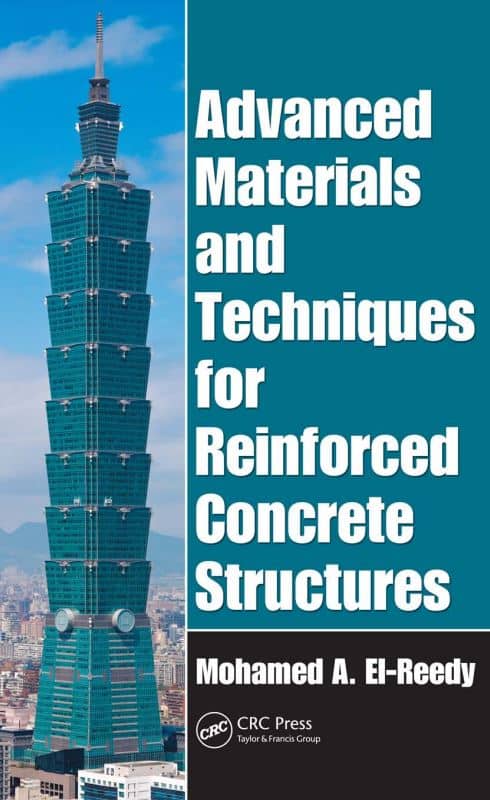
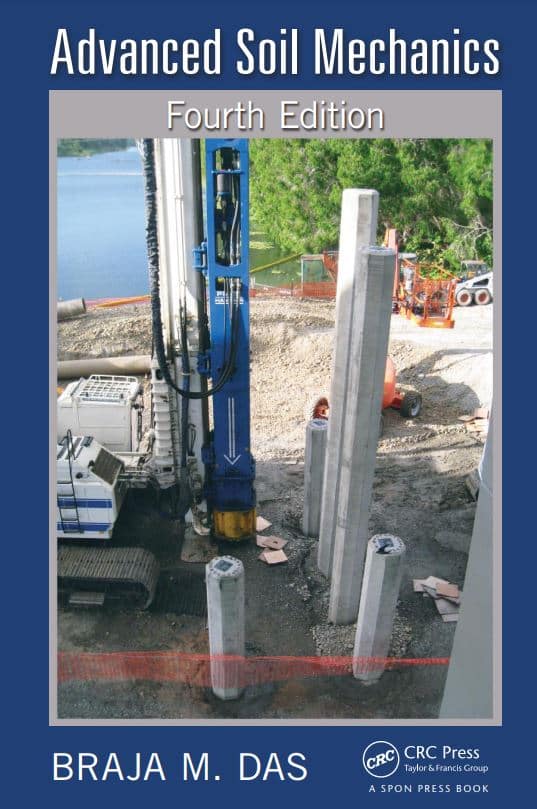
🚧 Principles and Practices of Commercial Construction 8th Edition: The Complete Engineering Guide to Modern Commercial Building Systems
🏗️ Introduction
Commercial construction plays a critical role in shaping modern cities and economic infrastructure. From towering office buildings and shopping centers to hospitals and industrial complexes, commercial structures support business, healthcare, education, and public services across the world.
The engineering principles behind commercial construction combine structural design, materials science, project management, safety engineering, and regulatory compliance. Professionals involved in these projects must coordinate architecture, structural engineering, electrical systems, plumbing, mechanical systems, and environmental considerations.
The Principles and Practices of Commercial Construction (8th Edition) explores the methodologies and engineering standards used to design and construct commercial buildings efficiently and safely.
In modern construction environments across the United States, United Kingdom, Canada, Australia, and Europe, projects must meet strict building codes, sustainability requirements, and cost management goals. Engineers, architects, and contractors collaborate using advanced technologies such as Building Information Modeling (BIM), prefabrication, and smart building systems.
This article provides a comprehensive engineering overview of commercial construction practices, explaining fundamental theories, processes, comparisons, case studies, and practical guidance for both beginners and experienced professionals.
📚 Background Theory
Commercial construction is based on several engineering disciplines that work together to create safe and durable buildings.
🔩 Structural Engineering Theory
Structural engineering ensures that buildings can support loads and resist environmental forces. Engineers analyze the following loads:
-
Dead loads (weight of building materials)
-
Live loads (occupants, furniture, equipment)
-
Wind loads
-
Snow loads
-
Seismic forces
Structural analysis involves calculating how beams, columns, and foundations distribute loads throughout the structure.
Key structural concepts include:
-
Load paths
-
Structural stability
-
Redundancy
-
Safety factors
Modern design often uses computer modeling software to simulate structural behavior.
🧱 Materials Science in Construction
Commercial buildings rely on several construction materials:
-
Reinforced concrete
-
Structural steel
-
Masonry
-
Glass curtain walls
-
Composite materials
Each material has unique properties:
| Material | Strength | Cost | Typical Use |
|---|---|---|---|
| Concrete | High compression | Medium | Foundations & slabs |
| Steel | High tension | High | Frames & beams |
| Masonry | Moderate | Low | Walls |
| Glass | Low structural | Medium | Facades |
Engineers select materials based on durability, structural requirements, environmental impact, and cost.
⚙️ Building Systems Integration
Commercial buildings contain complex systems that must operate together.
Major building systems include:
-
HVAC (Heating, Ventilation, and Air Conditioning)
-
Electrical power systems
-
Plumbing systems
-
Fire protection systems
-
Vertical transportation (elevators & escalators)
The integration of these systems ensures operational efficiency and occupant safety.
🧠 Technical Definition
Commercial Construction refers to the engineering and management process involved in planning, designing, and building structures intended for business or public use.
These structures include:
-
Office buildings
-
Hotels
-
Hospitals
-
Schools
-
Shopping centers
-
Industrial facilities
-
Airports
Commercial construction differs from residential construction due to:
-
Larger scale
-
Higher structural complexity
-
Strict regulatory standards
-
Advanced mechanical systems
-
Larger budgets and project teams
🛠️ Step-by-Step Explanation of Commercial Construction Process
Commercial construction projects follow a structured lifecycle.
📌 Step 1: Project Planning
This stage includes:
-
Feasibility studies
-
Site selection
-
Budget estimation
-
Environmental assessments
-
Project scheduling
Engineers analyze soil conditions, local regulations, and construction constraints.
📌 Step 2: Architectural and Engineering Design
During this phase:
-
Architects create building layouts
-
Structural engineers design load-bearing systems
-
Mechanical engineers design HVAC
-
Electrical engineers plan power systems
Engineers often use Building Information Modeling (BIM) to coordinate designs.
Benefits of BIM:
-
Reduced design conflicts
-
Accurate cost estimation
-
Improved collaboration
📌 Step 3: Permits and Regulatory Approval
Before construction begins, projects must comply with local building codes.
Typical approvals include:
-
Building permits
-
Environmental permits
-
Zoning approvals
-
Fire safety approval
Compliance ensures safety and legal operation.
📌 Step 4: Site Preparation
Site preparation includes:
-
Land clearing
-
Excavation
-
Soil stabilization
-
Utility installation
Geotechnical engineers evaluate soil strength to determine foundation design.
📌 Step 5: Foundation Construction
Foundations transfer building loads to the ground.
Common foundation types:
| Foundation Type | Application |
|---|---|
| Spread footing | Small buildings |
| Mat foundation | Weak soils |
| Pile foundation | High-rise structures |
| Caisson foundation | Deep foundation systems |
📌 Step 6: Structural Frame Construction
The structural frame supports the entire building.
Common framing systems:
-
Steel frames
-
Reinforced concrete frames
-
Composite systems
Steel frames allow faster construction and greater flexibility.
📌 Step 7: Building Envelope Installation
The building envelope protects interior spaces from weather.
Components include:
-
Exterior walls
-
Insulation
-
Windows
-
Roofing systems
Modern envelopes focus on energy efficiency and thermal performance.
📌 Step 8: Interior Systems Installation
This stage includes installing:
-
Electrical wiring
-
Plumbing systems
-
HVAC equipment
-
Fire protection systems
Proper coordination prevents conflicts between systems.
📌 Step 9: Finishing and Commissioning
Final construction activities include:
-
Interior finishes
-
Flooring
-
Lighting installation
-
System testing
Commissioning ensures all building systems operate correctly.
⚖️ Comparison: Commercial vs Residential Construction
| Feature | Commercial Construction | Residential Construction |
|---|---|---|
| Building Size | Large structures | Small buildings |
| Structural Complexity | High | Moderate |
| Safety Regulations | Strict | Less complex |
| Engineering Teams | Large multidisciplinary teams | Smaller teams |
| Construction Duration | Long-term projects | Shorter timelines |
| Budget | Millions or billions | Lower budgets |
Commercial construction requires specialized engineering knowledge due to its scale and complexity.
📊 Diagrams and Structural Concepts
Typical Commercial Building Structural Diagram
│
Steel Beams
│
Columns
│
Floor Slabs
│
Foundation
│
Soil Layer
Load Transfer Diagram
↓
Beam System
↓
Columns
↓
Foundation
↓
Ground
Load transfer ensures structural stability.
💡 Examples of Commercial Construction Projects
Example 1: Office Building Construction
Typical features:
-
Steel frame
-
Glass curtain walls
-
Open floor layouts
-
Central HVAC systems
Benefits include flexible workspace design.
Example 2: Hospital Construction
Hospitals require specialized infrastructure:
-
Medical gas systems
-
Emergency power systems
-
Advanced ventilation
-
Infection control systems
Construction must follow strict healthcare regulations.
Example 3: Shopping Mall Development
Key engineering features:
-
Large-span roof structures
-
High-capacity electrical systems
-
Escalators and elevators
-
Parking structures
These buildings must support large numbers of visitors.
🌍 Real World Applications
Commercial construction supports multiple industries.
🏢 Business Infrastructure
Office towers support corporate operations and employment.
🏥 Healthcare Facilities
Hospitals and clinics provide medical services.
🏬 Retail Centers
Shopping centers facilitate commerce and retail activity.
🏫 Educational Institutions
Universities and schools rely on commercial construction techniques.
✈️ Transportation Facilities
Airports, train stations, and terminals are major commercial construction projects.
❌ Common Mistakes in Commercial Construction
Even experienced professionals can encounter errors.
Poor Planning
Inadequate planning can cause:
-
Cost overruns
-
Schedule delays
-
Design conflicts
Weak Communication
Construction projects require collaboration between:
-
Architects
-
Engineers
-
Contractors
-
Clients
Miscommunication leads to mistakes.
Ignoring Site Conditions
Failure to analyze soil conditions can cause:
-
Foundation settlement
-
Structural instability
Inadequate Safety Management
Construction sites must follow strict safety regulations.
Ignoring safety risks can lead to accidents.
⚠️ Challenges and Engineering Solutions
Challenge 1: Cost Overruns
Large construction projects often exceed budgets.
Solution
-
Accurate cost estimation
-
Value engineering
-
Efficient procurement strategies
Challenge 2: Construction Delays
Delays may occur due to weather, supply chain issues, or design changes.
Solution
-
Detailed scheduling
-
Risk management plans
-
Flexible project management methods
Challenge 3: Sustainability Requirements
Modern buildings must reduce environmental impact.
Solution
-
Green building design
-
Energy-efficient systems
-
Sustainable materials
Challenge 4: Labor Shortages
The construction industry faces workforce shortages.
Solution
-
Automation technologies
-
Prefabrication methods
-
Training programs
🏗️ Case Study: Construction of a Modern Commercial Office Tower
Project Overview
A 40-story office building was constructed in a major metropolitan city.
Project specifications:
-
Height: 180 meters
-
Floor area: 90,000 m²
-
Structural system: Steel frame with concrete core
Engineering Challenges
Major challenges included:
-
Wind load resistance
-
Urban space limitations
-
Complex mechanical systems
Engineering Solutions
Engineers implemented:
-
Tuned mass dampers to reduce wind sway
-
Prefabricated structural components
-
Advanced BIM coordination
These innovations reduced construction time by 20%.
Project Outcome
The building achieved:
-
Energy efficiency certification
-
High structural reliability
-
Reduced operational costs
This case demonstrates how modern engineering practices improve construction outcomes.
🧠 Tips for Engineers in Commercial Construction
1️⃣ Understand Building Codes
Engineers must stay updated with evolving regulations.
2️⃣ Use Digital Engineering Tools
Tools like BIM and structural simulation software improve project accuracy.
3️⃣ Focus on Sustainability
Green construction is becoming a global standard.
4️⃣ Improve Communication Skills
Engineering projects require teamwork and collaboration.
5️⃣ Learn Project Management
Technical knowledge alone is not enough.
Understanding budgeting, scheduling, and procurement is essential.
❓ FAQs
1. What is commercial construction?
Commercial construction involves designing and building structures used for business or public purposes such as offices, hospitals, and shopping centers.
2. What is the role of engineers in commercial construction?
Engineers design structural systems, building services, and construction processes to ensure safety, efficiency, and compliance with regulations.
3. What are the main stages of commercial construction?
The main stages include planning, design, permitting, site preparation, structural construction, system installation, and project commissioning.
4. What materials are commonly used in commercial construction?
Common materials include steel, reinforced concrete, masonry, glass, and composite materials.
5. Why is BIM important in construction?
Building Information Modeling improves coordination between teams and reduces design conflicts during construction.
6. What are the biggest challenges in commercial construction?
Major challenges include cost management, regulatory compliance, project delays, and sustainability requirements.
7. How long do commercial construction projects usually take?
Project duration varies from several months to several years depending on the size and complexity of the building.
🏁 Conclusion
Commercial construction is one of the most complex and multidisciplinary engineering fields. It requires a deep understanding of structural design, materials science, building systems, project management, and regulatory compliance.
The principles and practices outlined in modern construction engineering emphasize efficiency, safety, sustainability, and technological innovation. As urban populations grow and infrastructure demands increase, commercial construction will continue to evolve through advancements in digital engineering, prefabrication, and smart building technologies.
For engineering students and professionals, mastering these principles provides the foundation for designing and building the next generation of commercial infrastructure. By combining technical knowledge with practical project management skills, engineers can contribute to creating safe, efficient, and sustainable buildings that support economic development worldwide.