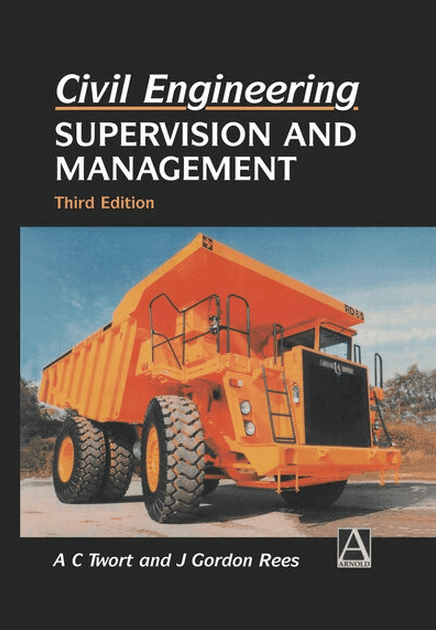
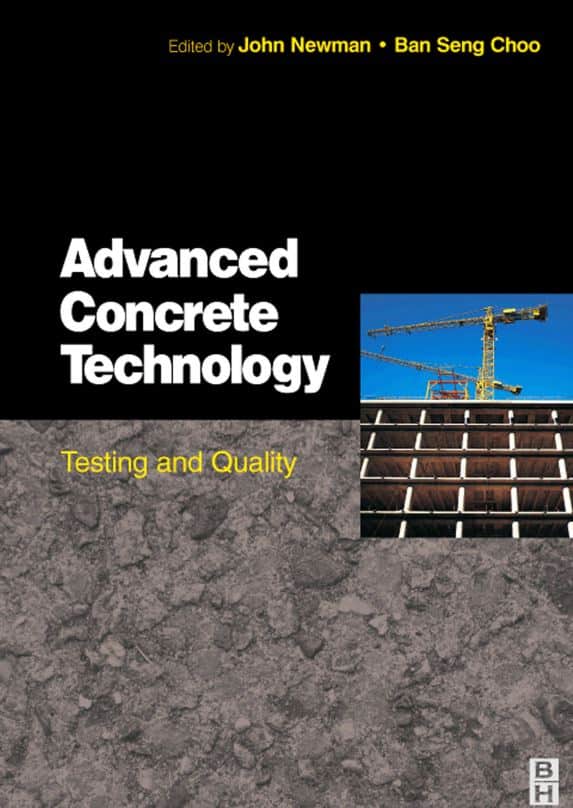
Project Management in Construction 6th Edition: Complete Engineering Guide for Modern Construction Professionals 🏗️📚
🚀 Introduction
Construction projects are among the most complex engineering endeavors in the modern world. From skyscrapers and bridges to highways and industrial facilities, successful project delivery depends on effective planning, coordination, scheduling, budgeting, and leadership.
Project Management in Construction, 6th Edition has become a highly respected reference for engineering students, project managers, contractors, consultants, and construction professionals seeking a structured approach to managing construction projects efficiently.
The construction industry faces increasing demands for faster completion times, higher quality standards, improved safety performance, and tighter budget constraints. As a result, project management has evolved from a supporting function into a critical discipline that directly influences project success.
This guide explores the fundamental concepts, theories, methodologies, tools, and practical applications associated with the principles presented in Project Management in Construction, 6th Edition. Whether you are a civil engineering student, a construction manager, or an experienced project professional, understanding these concepts can significantly improve project outcomes.
📖 Background Theory
Construction project management integrates engineering knowledge with management principles to achieve specific project objectives.
Historically, construction projects were managed primarily through experience-based decision-making. As projects became larger and more technically demanding, formal project management methodologies emerged to improve efficiency and reduce risks.
🏛️ Evolution of Construction Project Management
Early Construction Era
Ancient civilizations successfully built impressive structures such as:
- Pyramids
- Aqueducts
- Temples
- Fortifications
Although formal project management techniques did not exist, these projects required:
- Labor coordination
- Material management
- Resource planning
- Schedule control
Industrial Revolution
The Industrial Revolution introduced:
- Mechanized construction
- Large-scale infrastructure projects
- Railway systems
- Manufacturing facilities
Project complexity increased dramatically, creating the need for structured management systems.
Modern Construction Era
Today’s construction projects involve:
- Building Information Modeling (BIM)
- Digital project controls
- Artificial Intelligence
- Advanced scheduling software
- Integrated project delivery systems
Modern project management combines engineering expertise with organizational leadership.
🔧 Technical Definition
Construction Project Management can be defined as:
The systematic planning, coordination, execution, monitoring, and control of construction activities to achieve project objectives related to scope, cost, schedule, quality, safety, and stakeholder satisfaction.
The discipline encompasses:
| Project Component | Primary Objective |
|---|---|
| Scope Management | Define project requirements |
| Schedule Management | Complete work on time |
| Cost Management | Control expenditures |
| Quality Management | Meet specifications |
| Safety Management | Prevent accidents |
| Risk Management | Reduce uncertainties |
| Resource Management | Optimize labor and equipment |
| Communication Management | Improve stakeholder coordination |
🏗️ Core Principles of Construction Project Management
📋 Project Scope Management
Scope management establishes what work must be completed.
Key Activities
- Requirement collection
- Project definition
- Work breakdown structure development
- Scope verification
- Scope control
A clearly defined scope prevents:
❌ Cost overruns
❌ Delays
🎯 Scope creep
❌ Contract disputes
⏳ Time Management
Time management ensures project activities are completed according to schedule.
Scheduling Components
- Activity identification
- Sequence determination
- Duration estimation
- Schedule development
- Progress monitoring
Popular tools include:
- Gantt Charts
- CPM Networks
- PERT Analysis
- Primavera P6
- Microsoft Project
💰 Cost Management
Cost management focuses on maintaining financial control.
Major Cost Categories
| Cost Type | Examples |
|---|---|
| Direct Costs | Labor, materials, equipment |
| Indirect Costs | Site office, supervision |
| Overhead Costs | Administration |
| Contingency Costs | Risk allowances |
Effective cost control improves profitability and project viability.
🛡️ Risk Management
Construction projects face numerous uncertainties.
Common Risks
- Weather conditions
- Material shortages
- Labor disputes
- Design changes
- Regulatory delays
- Safety incidents
Risk management follows a structured process:
- Risk Identification
- 🎯 Risk Analysis
- Risk Evaluation
- Risk Response Planning
- 🎯 Risk Monitoring
⚙️ Step-by-Step Construction Project Management Process
Step 1: Project Initiation 🚀
The project begins with:
- Feasibility studies
- Business case analysis
- Initial budgeting
- Stakeholder identification
Deliverables include:
- Project charter
- Preliminary scope statement
- Initial risk register
Step 2: Planning Phase 📊
Planning is often considered the most important stage.
Planning Activities
- Scope definition
- Scheduling
- Cost estimating
- Resource planning
- Procurement planning
- Risk assessment
A detailed project management plan is created.
Step 3: Design Coordination ✏️
Project managers coordinate:
- Architects
- Structural engineers
- MEP engineers
- Consultants
Objectives include:
🎯 Design consistency
✅ Code compliance
✅ Constructability review
Step 4: Procurement 🛒
Procurement involves:
- Vendor selection
- Contract preparation
- Material purchasing
- Equipment acquisition
Proper procurement reduces schedule delays.
Step 5: Construction Execution 🏗️
This phase transforms plans into physical infrastructure.
Activities include:
- Site preparation
- Foundation work
- Structural construction
- Mechanical installation
- Electrical installation
- Finishing works
Step 6: Monitoring and Control 📈
Project managers continuously monitor:
- Budget
- Schedule
- Quality
- Safety
- Productivity
Performance indicators are regularly analyzed.
Step 7: Project Closeout 🎯
Closeout activities include:
- Final inspections
- Documentation
- Handover procedures
- Financial closure
- Lessons learned review
🔄 Comparison of Traditional and Modern Construction Management
| Feature | Traditional Management | Modern Management |
|---|---|---|
| Communication | Paper-based | Digital platforms |
| Scheduling | Manual calculations | Advanced software |
| Documentation | Physical files | Cloud systems |
| Collaboration | Limited | Real-time collaboration |
| Risk Tracking | Reactive | Predictive analytics |
| Reporting | Periodic | Live dashboards |
| Design Review | 2D drawings | BIM models |
📌 Key Observation
Modern approaches significantly improve:
- Transparency
- Productivity
- Cost control
- Decision-making
📊 Important Project Management Diagrams
Work Breakdown Structure (WBS)
Project
│
├── Site Preparation
│   ├── Surveying
│   ├── Excavation
│   └── Utilities
│
├── Structural Work
│   ├── Foundations
│   ├── Columns
│   └── Slabs
│
└── Finishing
    ├── Painting
    ├── Flooring
    └── Fixtures
Critical Path Concept
A → B → C → E
 \       /
  → D →
The longest path determines project duration.
Construction Management Triangle
        Quality
          ▲
          │
          │
Cost ◄────┼────► Time
Balancing these three constraints is a primary responsibility of project managers.
🌟 Practical Examples
Example 1: Residential Building Project
Project Size:
- 10-story apartment building
Challenges:
- Limited site access
- Material delivery coordination
- Budget restrictions
Project Management Solutions:
🎯 Detailed scheduling
✅ Weekly progress meetings
✅ Supplier coordination
Results:
- Completed on schedule
- Cost variance under 3%
Example 2: Highway Construction Project
Project Scope:
- 25 km roadway expansion
Management Focus:
- Traffic management
- Environmental compliance
- Resource allocation
Benefits Achieved:
🎯 Improved transportation capacity
🚗 Reduced congestion
🚗 Enhanced public safety
Example 3: Industrial Facility Construction
Facility Components:
- Production halls
- Warehouses
- Utilities systems
Project Management Tools:
- BIM integration
- Earned Value Management
- Risk registers
Outcome:
- Reduced construction conflicts
- Faster commissioning process
🌍 Real World Applications
Construction project management principles are applied across numerous sectors.
🏢 Commercial Buildings
Examples include:
- Office towers
- Shopping centers
- Hotels
🌉 Infrastructure Projects
Examples include:
- Bridges
- Roads
- Railways
- Airports
⚡ Energy Projects
Examples include:
- Power plants
- Solar farms
- Wind farms
- Transmission networks
🏥 Healthcare Facilities
Examples include:
- Hospitals
- Medical laboratories
- Emergency centers
🏭 Industrial Projects
Examples include:
- Manufacturing plants
- Refineries
- Processing facilities
Each project type requires customized management approaches.
❌ Common Mistakes in Construction Project Management
Poor Scope Definition
Many projects fail because requirements are unclear.
Consequences:
- Rework
- Budget increases
- Delays
Unrealistic Scheduling
Overly optimistic schedules often lead to:
- Missed milestones
- Reduced productivity
- Client dissatisfaction
Inadequate Risk Assessment
Ignoring risks creates major project vulnerabilities.
Weak Communication
Communication failures can result in:
- Design conflicts
- Construction errors
- Safety incidents
Poor Documentation
Missing records create difficulties during:
- Claims management
- Contract administration
- Project closeout
⚠️ Challenges and Solutions
Challenge 1: Cost Overruns 💰
Causes
- Design changes
- Inflation
- Productivity losses
Solutions
- Detailed estimating
- Cost tracking systems
- Change management procedures
Challenge 2: Schedule Delays ⏰
Causes
- Weather conditions
- Resource shortages
- Approval delays
Solutions
- Float management
- Schedule optimization
- Recovery planning
Challenge 3: Safety Risks 🦺
Causes
- Unsafe work practices
- Poor supervision
- Inadequate training
Solutions
- Safety audits
- Toolbox talks
- Continuous training
Challenge 4: Stakeholder Conflicts 🤝
Causes
- Misaligned expectations
- Communication gaps
Solutions
- Regular meetings
- Transparent reporting
- Collaborative decision-making
📚 Case Study: High-Rise Office Tower Construction
Project Overview
A major city planned a 40-story commercial office tower.
Project Data
| Item | Value |
|---|---|
| Height | 40 Floors |
| Budget | $180 Million |
| Duration | 36 Months |
| Workforce | 850 Workers |
Initial Challenges
The project encountered:
- Tight urban site conditions
- Traffic restrictions
- Multiple stakeholders
- Complex structural design
Management Approach
The project team implemented:
Advanced Scheduling
Using CPM scheduling techniques, critical activities were closely monitored.
BIM Integration
3D coordination reduced clashes between:
- Structural systems
- Mechanical systems
- Electrical systems
Risk Monitoring
Monthly reviews identified emerging risks early.
Results
📈 Schedule adherence improved by 12%
📈 Rework reduced by 18%
🎯 Safety incidents decreased significantly
📈 Project completed within approved budget
Lessons Learned
Successful outcomes depended on:
- Strong leadership
- Effective planning
- Continuous monitoring
- Stakeholder engagement
💡 Tips for Engineers
Master Scheduling Tools
Learn industry-standard software such as:
- Primavera P6
- Microsoft Project
- BIM platforms
Improve Communication Skills
Technical expertise alone is insufficient.
Engineers must communicate effectively with:
- Clients
- Contractors
- Designers
- Authorities
Understand Financial Principles
Project managers should understand:
- Cost estimating
- Cash flow
- Earned value analysis
Prioritize Safety
Safety must remain a core project objective.
Focus on Continuous Learning
The construction industry evolves rapidly.
Stay updated on:
- Digital construction
- Sustainability practices
- Project delivery methods
- Emerging technologies
❓ Frequently Asked Questions (FAQs)
1. What is Project Management in Construction, 6th Edition?
It is a comprehensive construction management reference that explains planning, scheduling, cost control, risk management, resource allocation, and project execution methodologies used throughout the construction industry.
2. Who should study construction project management?
The subject is valuable for:
- Civil engineers
- Construction managers
- Project engineers
- Architects
- Contractors
- Engineering students
3. Why is project management important in construction?
Project management helps ensure projects are completed:
- On time
- Within budget
- According to quality requirements
- Under safe working conditions
4. What are the main constraints of construction projects?
The primary constraints are:
- Time
- Cost
- Quality
- Scope
These factors must remain balanced throughout project execution.
5. What software is commonly used in construction project management?
Popular tools include:
- Primavera P6
- Microsoft Project
- Autodesk BIM solutions
- Procore
- Oracle Construction Management Software
6. What is the Critical Path Method (CPM)?
CPM is a scheduling technique used to identify activities that directly affect project completion time. Delays in critical activities delay the entire project.
7. How does risk management improve project success?
Risk management identifies potential problems early and develops mitigation strategies before issues impact cost, schedule, quality, or safety.
8. What skills are essential for construction project managers?
Important skills include:
- Leadership
- Planning
- Communication
- Negotiation
- Problem-solving
- Technical knowledge
- Financial management
🎯 Conclusion
Project management has become an indispensable component of modern construction engineering. The principles presented in Project Management in Construction, 6th Edition provide a structured framework for planning, executing, monitoring, and successfully completing construction projects of all sizes and complexities.
From scope definition and scheduling to cost control, risk management, quality assurance, and stakeholder coordination, effective project management transforms engineering concepts into successful real-world infrastructure. As construction projects continue to grow in scale and technical sophistication, professionals who master these management principles gain a significant advantage in delivering safe, efficient, and profitable projects.
For students, the discipline provides a foundation for future leadership roles. For practicing engineers and construction professionals, it offers proven methodologies that improve decision-making, reduce project risks, and enhance overall performance. By applying these principles consistently, organizations can achieve higher productivity, better client satisfaction, improved safety records, and sustainable long-term success in the global construction industry. 🏗️✨📈